
Winter in the Atlanta area brings unique challenges for lawn care enthusiasts. While Georgia’s mild winters don’t require the same preparation as northern climates, the cooler months still demand specific attention to keep your turf healthy and ready for spring growth. At GLM Landscape Supply, serving Alpharetta, Milton, Roswell, and surrounding communities for over a decade, we’ve helped countless homeowners maintain beautiful lawns through every season.
Understanding how different grass types respond to winter temperatures and what maintenance they require during dormancy can mean the difference between a struggling lawn and one that emerges vibrant and thick when warm weather returns. Whether you have Bermuda, fescue, or another variety, proper winter care protects your investment and sets the stage for success in the growing season ahead.
Understanding Georgia’s Winter Climate and Your Grass
Georgia’s USDA hardiness zones 7b and 8a create interesting conditions where both warm-season and cool-season grasses can thrive, depending on your specific location and lawn goals. This transitional climate means winter lawn care strategies must account for the particular grass type in your yard.
Warm-Season Grasses: Bermuda grass, including popular varieties like TifGrand™ Bermuda, goes completely dormant when temperatures consistently drop below 50°F. During dormancy, these grasses turn brown but remain alive, with their growth systems shutting down to conserve energy until spring warmth returns.
Zoysia grass follows similar dormancy patterns, though it typically maintains its green color slightly longer into fall than Bermuda. Once dormant, these warm-season varieties require minimal maintenance but still need protection from winter stresses.
Cool-Season Grasses: Tall fescue varieties, including Rebel Supreme Fescue that GLM Landscape Supply offers from quality Southeast farms, remain actively growing during Georgia winters. These grasses actually thrive in cooler temperatures and continue requiring regular maintenance throughout the winter months.
Understanding your specific grass type determines your entire winter care approach, from mowing schedules to fertilization timing.
Winter Mowing Guidelines for Georgia Lawns
Mowing requirements change dramatically during winter, with different strategies for dormant and actively growing grasses.
For Dormant Warm-Season Grasses: Once Bermuda or Zoysia enters dormancy, mowing becomes unnecessary. The grass stops growing, eliminating the need for regular cutting. However, you may need to mow occasionally to remove fallen leaves or debris that could smother the dormant turf.
If mowing dormant grass, raise your mower height to avoid scalping. Dormant grass is more vulnerable to damage, and cutting too short can expose crowns to freezing temperatures or create opportunities for winter weeds to establish.
For Active Cool-Season Grasses: Fescue lawns require continued mowing through winter, though at reduced frequency. During the coolest months, fescue typically needs cutting every 2-3 weeks rather than the weekly schedule of peak growing season.
Maintain a mowing height of 3-4 inches for fescue during winter. This height protects grass crowns from cold damage while allowing adequate photosynthesis during shorter winter days. Never remove more than one-third of the blade length in a single mowing.
General Winter Mowing Tips:
- Mow only when grass is dry to prevent clumping and uneven cuts
- Keep mower blades sharp to avoid tearing dormant or cold-stressed grass
- Avoid mowing frozen grass, which can damage plant tissues
- Remove leaves and debris that could smother turf beneath
Fertilization Strategies for Winter Health
Winter fertilization depends entirely on grass type and current lawn condition.
Warm-Season Grass Fertilization: Stop fertilizing Bermuda and Zoysia once they enter dormancy. Applying fertilizer to dormant grass wastes money and creates environmental concerns as nutrients leach through inactive root systems without being absorbed.
If you missed fall fertilization, don’t try to compensate with winter applications. Wait until grass breaks dormancy in spring, typically when soil temperatures reach 65°F consistently.
Cool-Season Grass Fertilization: Fescue lawns benefit from light winter feeding, particularly in late winter (January-February in Georgia). A slow-release fertilizer with balanced nitrogen helps maintain color and supports root development without triggering excessive top growth during cold periods.
Avoid heavy nitrogen applications in early winter, which can stimulate tender growth susceptible to freeze damage. Late winter feeding prepares fescue for vigorous spring growth without the vulnerabilities of early winter fertilization.
Winter Weed Management
Winter weeds present significant challenges in Georgia lawns, taking advantage of dormant warm-season grasses or competing with active cool-season varieties.
Common Winter Weeds:
- Annual bluegrass (poa annua)
- Henbit and deadnettle
- Chickweed
- Wild onion and garlic
Prevention Strategies: Pre-emergent herbicides applied in fall provide the best winter weed control by preventing germination. However, if you missed fall applications, early winter treatment can still reduce weed pressure.
For established winter weeds, spot treatment with appropriate post-emergent herbicides can manage infestations without damaging dormant or cool-season grasses. Always follow label directions and avoid treating frozen or stressed turf.
Dense, healthy lawns naturally resist weed invasion. Proper fall overseeding and maintenance creates conditions where desirable grasses outcompete winter weeds.
Watering During Winter Months
Winter watering requirements differ dramatically from summer needs, but Georgia lawns still need moisture during dry winter periods.
Dormant Grass Watering: Bermuda and Zoysia require minimal winter irrigation. Water only during extended dry periods (3+ weeks without rain) to prevent desiccation. Deep, infrequent watering every 3-4 weeks during drought maintains adequate soil moisture without encouraging disease.
Active Grass Watering: Fescue lawns need consistent moisture even in winter. Water when the top inch of soil becomes dry, typically requiring irrigation every 10-14 days during winter dry spells. Avoid overwatering, which promotes fungal diseases in cool, damp conditions.
Watering Best Practices:
- Water during morning hours to allow foliage to dry before nightfall
- Adjust irrigation systems to winter schedules to prevent overwatering
- Turn off automatic systems during rainy periods
- Monitor soil moisture rather than following rigid schedules
Protecting Your Lawn from Winter Damage
Several winter hazards threaten lawn health in Georgia:
- Traffic and Compaction: Limit foot traffic on dormant or frozen grass. Compaction damages dormant grass crowns and creates bare spots that become visible in spring. Create designated pathways for winter access to minimize damage to lawn areas.
- Ice and Snow: While rare in Georgia, ice events can damage turf. Avoid walking on ice-covered grass and never apply rock salt or ice melt products directly to lawn areas, as these chemicals severely damage grass.
- Cold Desiccation: Winter winds can dry out grass, particularly in exposed areas. Mulch beds and landscape features help protect lawn edges from drying winds.
- Disease Prevention: Cool, wet winter conditions favor fungal diseases like brown patch and gray leaf spot. Avoid excessive watering, improve drainage in problem areas, and remove leaf litter that harbors disease organisms.
Soil Care and Aeration
Winter provides opportunities for soil improvement that benefit your lawn once growing season returns.
- Soil Testing: Winter offers ideal timing for soil testing. Results guide spring fertilization plans and identify pH or nutrient imbalances needing correction. Most Georgia lawns benefit from testing every 2-3 years.
- Lime Applications: If soil testing reveals acidic conditions (pH below 6.0), winter lime applications gradually raise pH before spring growth begins. Lime requires months to affect soil chemistry, making winter application strategically advantageous.
- Topdressing: Late winter topdressing with quality compost or soil amendments improves soil structure, adds organic matter, and encourages beneficial microbial activity. GLM Landscape Supply offers premium soil products perfect for topdressing applications.
Preparing for Spring Success
Smart winter care creates conditions for spectacular spring lawn performance:
- Late Winter Overseeding: For warm-season lawns transitioning out of dormancy, late winter overseeding fills thin areas and ensures thick spring growth. Choose quality seed suited to your specific conditions and grass type.
- Equipment Maintenance: Winter provides time for mower maintenance, blade sharpening, and equipment repairs. Starting spring with properly maintained equipment ensures better cutting results and healthier grass.
- Planning Improvements: Use winter months to plan spring landscape projects, identify problem areas needing attention, and source quality materials from suppliers like GLM Landscape Supply before the spring rush.
Quality Materials Make the Difference
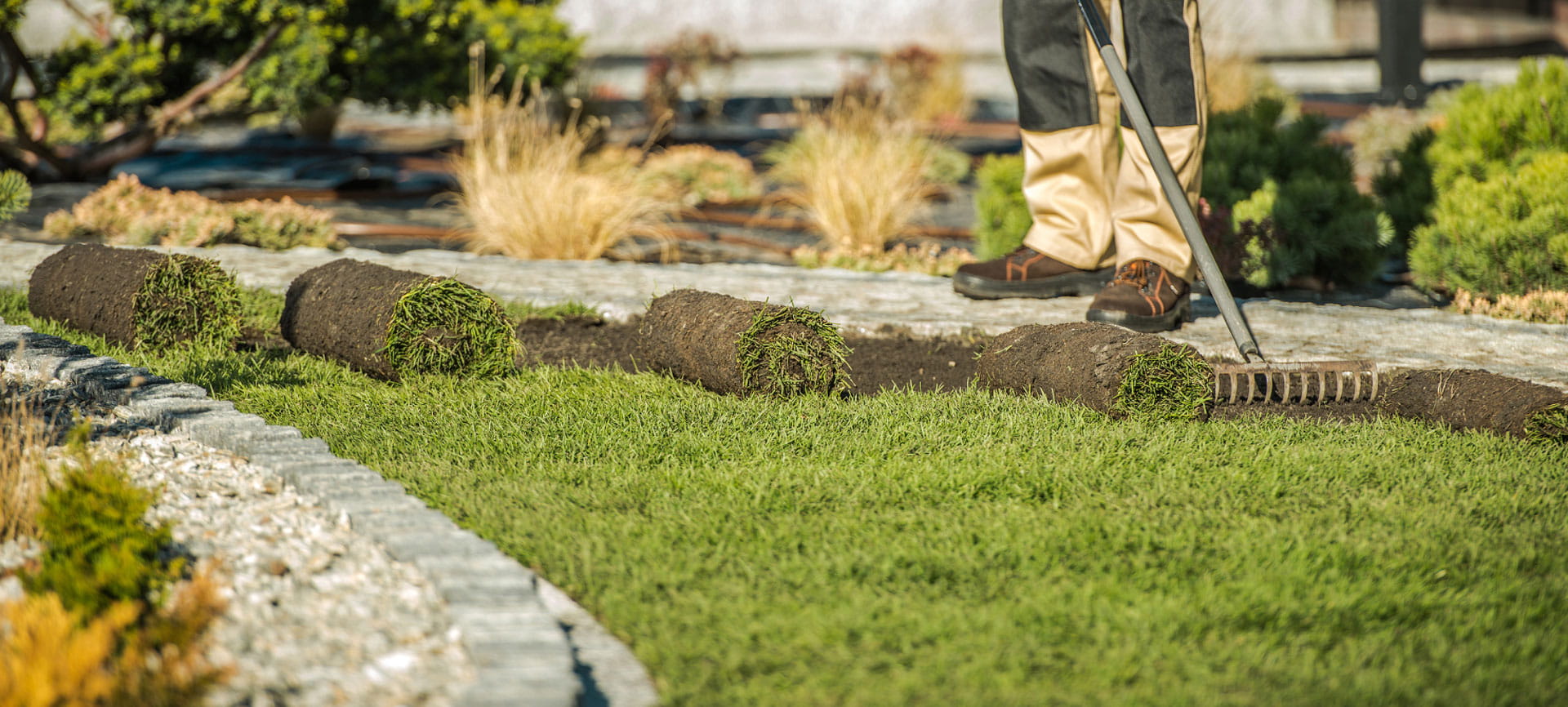
Successful winter lawn care and spring preparation depend on quality materials. GLM Landscape Supply’s relationships with the highest quality farms in the Southeast ensure you receive premium sod options like Rebel Supreme Fescue and TifGrand Bermuda that thrive in Georgia conditions.
Our soil products, mulch, and other landscape materials meet the highest quality standards while remaining fairly priced. Whether you need soil amendments for winter application or are planning spring projects, our experienced team helps you select appropriate products for your specific needs.
Your Winter Lawn Care Partner
Don’t let winter neglect undermine months of careful lawn maintenance. Strategic winter care protects your turf investment and creates conditions for vigorous spring growth.
GLM Landscape Supply has served the greater Atlanta area for over a decade, helping homeowners, contractors, and business owners create and maintain beautiful landscapes through every season. Located conveniently on Highway 9 North in Milton with easy access to Georgia 400, we make sourcing quality landscape materials simple.
Visit us at 13975 Highway 9 North in Alpharetta, or call (770) 664-8200 to discuss your winter lawn care needs and spring landscape plans. Our knowledgeable team provides expert advice on grass selection, soil products, and maintenance strategies suited to your specific property conditions. From premium sod to quality soil amendments, we have everything you need to keep your lawn healthy through winter and thriving come spring.
Posted on behalf of
13975 Hwy 9
Alpharetta, GA 30004
Phone: (770) 664-8200
Email: britt.thomas@glmsod.com
Mon-Fri: 8 a.m. - 5 p.m.Sat: 8 a.m. - 12 p.m.
Sun: Closed